Key takeaways
- Accurate forecasting helps contact centers balance staffing, costs, and customer experience more effectively.
- Erlang C and shrinkage calculators are essential for determining realistic agent staffing requirements.
- Service level and AHT calculators help reduce wait times and improve operational efficiency.
- Cost per contact and forecast accuracy tools support smarter budgeting and continuous optimization.
- Combining forecasting calculators with GigCX enables flexible, data-driven staffing during peak demand.
Forecasting Calculators
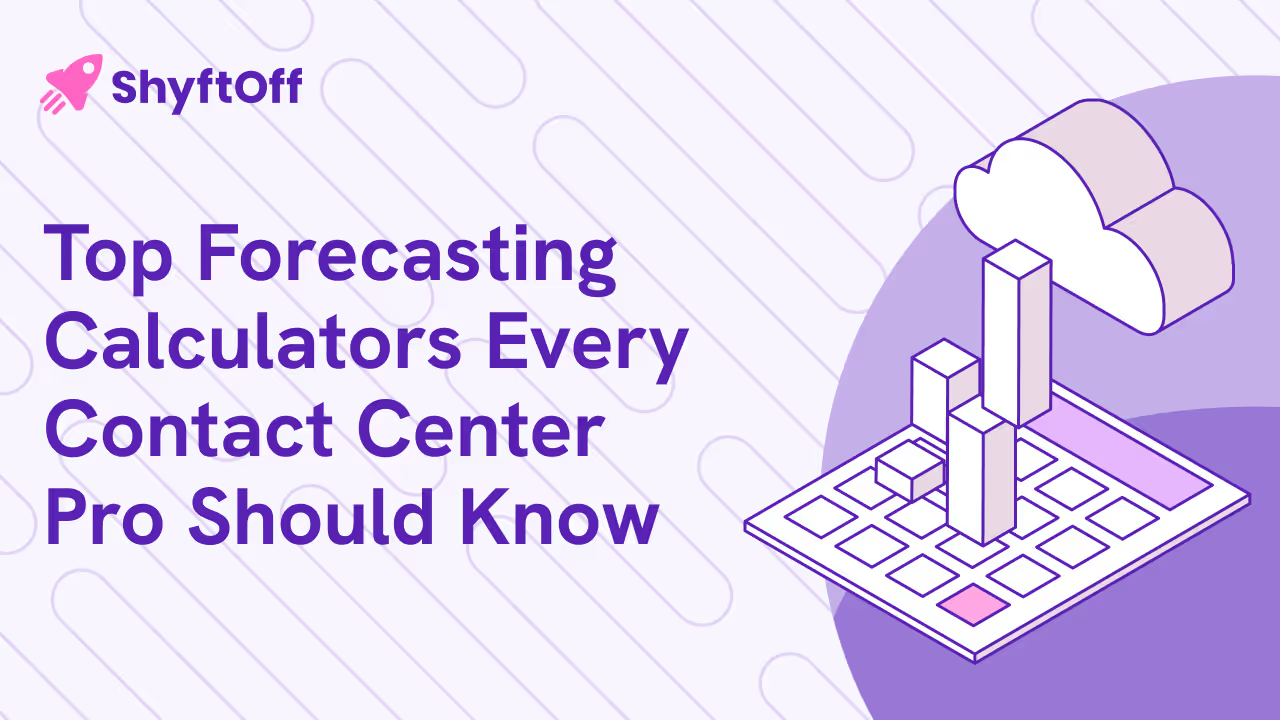
Forecasting is crucial for any contact center to efficiently allocate resources, manage agents, and meet customer expectations. The right calculator can simplify this complex process, ensuring you make decisions rooted in data. Here's a compilation of top forecasting calculators that every contact center professional should be familiar with:
Erlang C Calculator
Erlang C is a tried-and-true formula used to calculate the number of agents required to handle call volume within a set service level and response time. This formula considers factors like call arrival rates and average handle time.
Why It's Valuable: It's the backbone of call center forecasting, ensuring staffing levels match anticipated call volumes. Research shows appropriate staffing levels lead to higher customer satisfaction rates and lower operational costs.
Shrinkage Calculator
Shrinkage represents the percentage of time that agents are not available to handle customer interactions due to breaks, training, meetings, and unexpected absenteeism.
Why It's Valuable: Understanding shrinkage is vital to adjust staffing needs. If you don't factor in shrinkage, you risk being understaffed, which can hurt customer satisfaction.
Service Level Calculator
This calculator helps contact centers determine the percentage of calls that will be answered within a specific time frame.
Why It's Valuable: Meeting desired service levels ensures customer satisfaction and loyalty. Research indicates that long wait times can lead to customer attrition.
Average Handle Time (AHT) Calculator
AHT measures the average time an agent takes to handle an interaction from start to finish, including talk time and post-call work.
Why It's Valuable: Knowing the AHT helps in determining staffing requirements and identifying areas for process improvement.
Queueing Theory Calculator
This mathematical approach evaluates how calls are lined up in a queue, considering aspects like arrival and service rates.
Why It's Valuable: By understanding how calls queue, centers can make adjustments to reduce wait times and improve service levels.
Cost per Contact Calculator
This calculates the total cost of handling a customer interaction, factoring in wages, overhead, and other operational costs.
Why It's Valuable: It offers insights into operational efficiency and can guide budgeting decisions.
Forecast Accuracy Calculator
This tool measures the accuracy of your past forecasts by comparing them against actuals, helping pinpoint the degree of variance.
Why It's Valuable: Constantly refining your forecasts based on accurate insights leads to better staffing decisions and cost optimization.
Net Promoter Score (NPS) Calculator
While not strictly a forecasting tool, NPS measures customer satisfaction and loyalty by asking how likely they are to recommend your service.
Why It's Valuable: Understanding customer satisfaction metrics can influence future staffing and training decisions, which ultimately impacts the forecast.
Effective forecasting is integral for a seamless contact center operation. By leveraging these calculators and understanding their value, operators can ensure that their centers are well-equipped to handle customer demands efficiently while also keeping costs in check and satisfaction rates high.
To learn more about other challenges GigCX solves for contact centers, check out these resources:
- 3 Reasons On-Demand Contact Centers Are the New Gold Standard
- Best Practices for Staffing Your Contact Center
- A Must-Read Playbook for Solving Busy Season Staffing Challenges
Let’s make this holiday season your easiest one yet. Get started with your GigCX pilot this week. Contact our team to get started.
Frequently Asked Questions
What is the Erlang C Calculator and why is it valuable for contact centers?
The Erlang C Calculator is a formula that calculates the number of agents required to handle call volume within a set service level and response time, considering factors like call arrival rates and average handle time. It's the backbone of call center forecasting, ensuring staffing levels match anticipated call volumes, which leads to higher customer satisfaction and lower operational costs.
What does a Shrinkage Calculator measure?
A Shrinkage Calculator measures the percentage of time agents are unavailable to handle customer interactions due to breaks, training, meetings, and unexpected absenteeism. Understanding shrinkage is vital to adjust staffing needs and avoid being understaffed, which can hurt customer satisfaction.
How does a Service Level Calculator help contact centers?
A Service Level Calculator determines the percentage of calls that will be answered within a specific time frame based on staffing and volume. Meeting desired service levels ensures customer satisfaction and loyalty, as long wait times can lead to customer attrition.
What is Average Handle Time (AHT) and why does it matter?
AHT measures the average time an agent takes to handle an interaction from start to finish, including talk time and post-call work. Knowing the AHT helps determine staffing requirements and identify areas for process improvement.
What does a Forecast Accuracy Calculator do?
A Forecast Accuracy Calculator measures the accuracy of past forecasts by comparing them against actuals, helping pinpoint the degree of variance. Constantly refining forecasts based on accurate insights leads to better staffing decisions and cost optimization.
How does a Cost per Contact Calculator support operational efficiency?
This calculator determines the total cost of handling a customer interaction, factoring in wages, overhead, and other operational costs. It offers insights into operational efficiency and can guide budgeting decisions.
What is a Queueing Theory Calculator used for?
A Queueing Theory Calculator evaluates how calls are lined up in a queue, considering aspects like arrival and service rates. Understanding how calls queue helps centers make adjustments to reduce wait times and improve service levels.
Why would a contact center use an NPS Calculator?
While not strictly a forecasting tool, an NPS Calculator measures customer satisfaction and loyalty by asking how likely customers are to recommend your service. Understanding customer satisfaction metrics can influence future staffing and training decisions, which ultimately impacts the forecast.

Explore more of our Blogs
























%2520(1)%2520(1).avif)









.avif)


.avif)




.avif)




.avif)


.avif)




%2520(2).avif)








.avif)


More of our Resources
Our Blogs
The solution has been deployed across more than 125 tourism organizations

Our Webinars
The solution has been deployed across more than 125 tourism organizations
Our Guides
The solution has been deployed across more than 125 tourism organizations
Our Stories
The solution has been deployed across more than 125 tourism organizations
Our Podcasts
The solution has been deployed across more than 125 tourism organizations
Our Events
The solution has been deployed across more than 125 tourism organizations